



100% Body Safe

1 Year Warranty

Vegan, Cruelty-Free

Deep Rumbly Motor

Discreet Packaging

Best Sellers
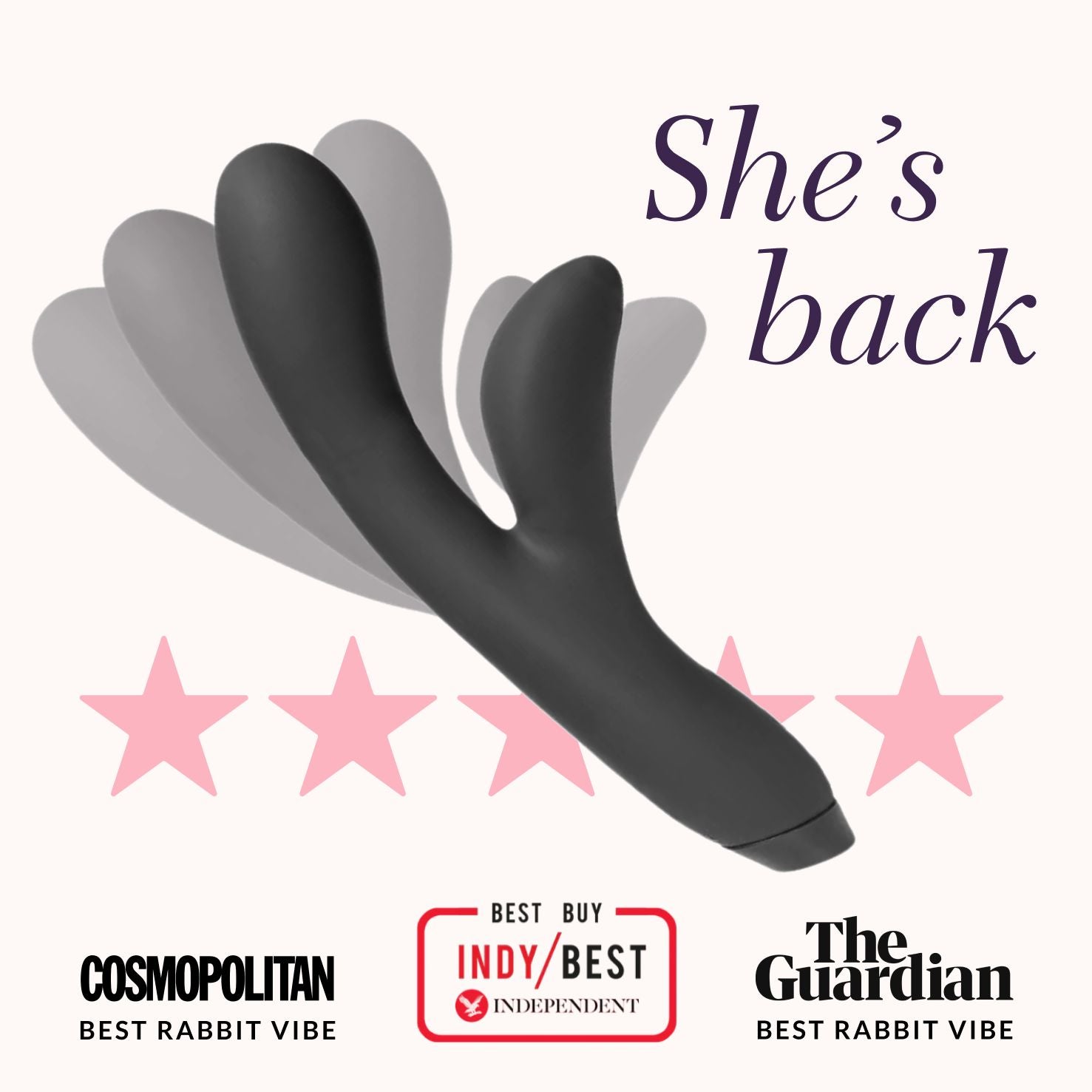
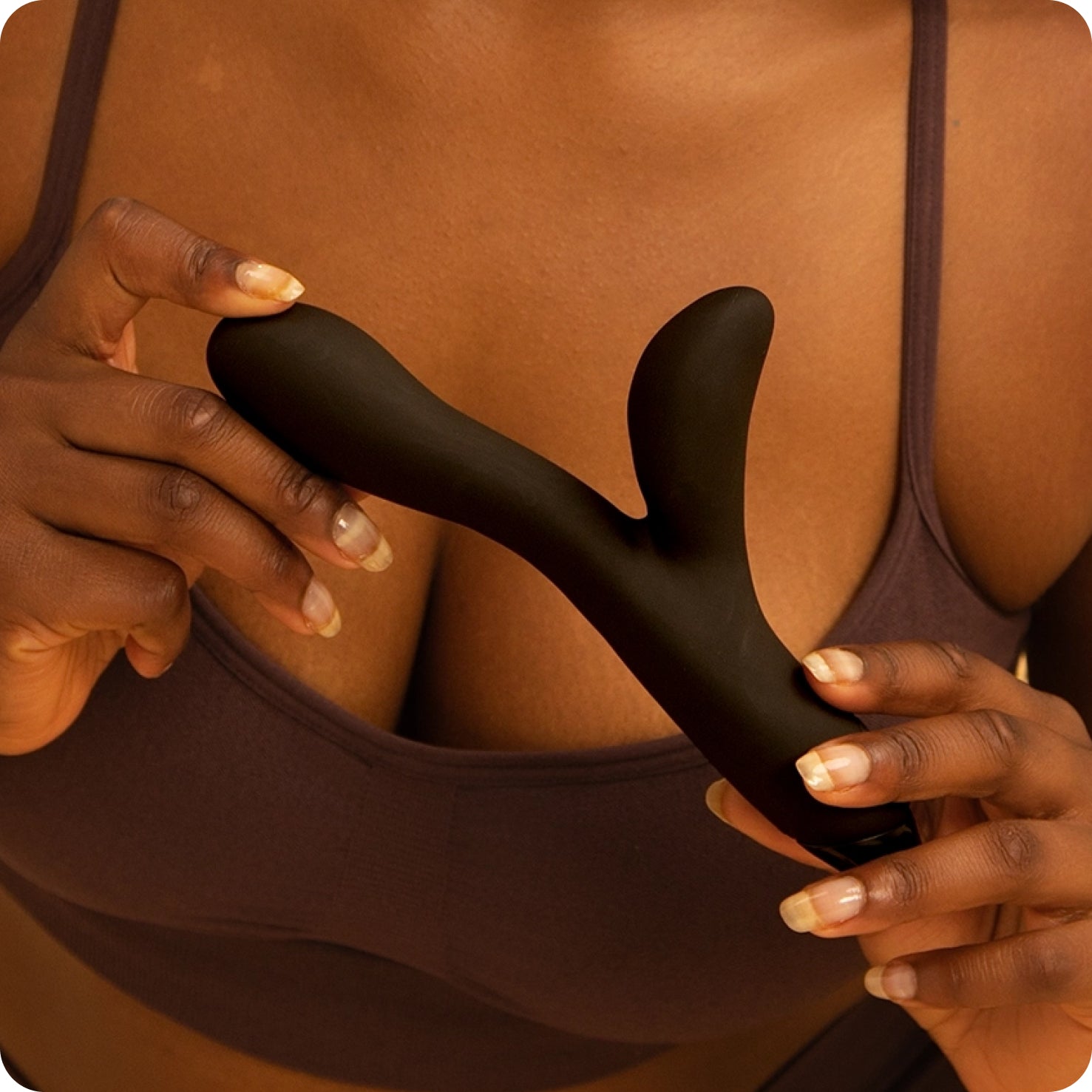
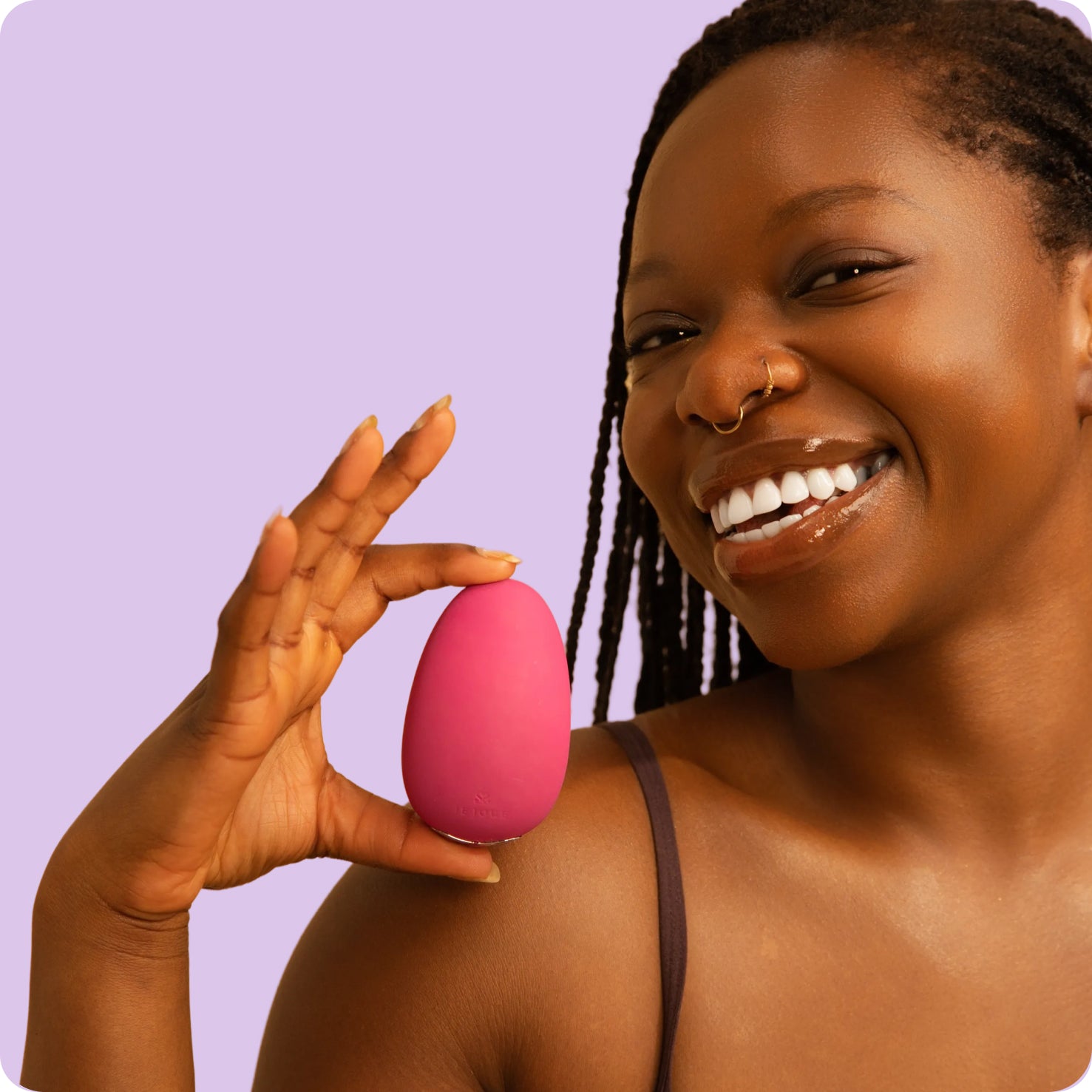

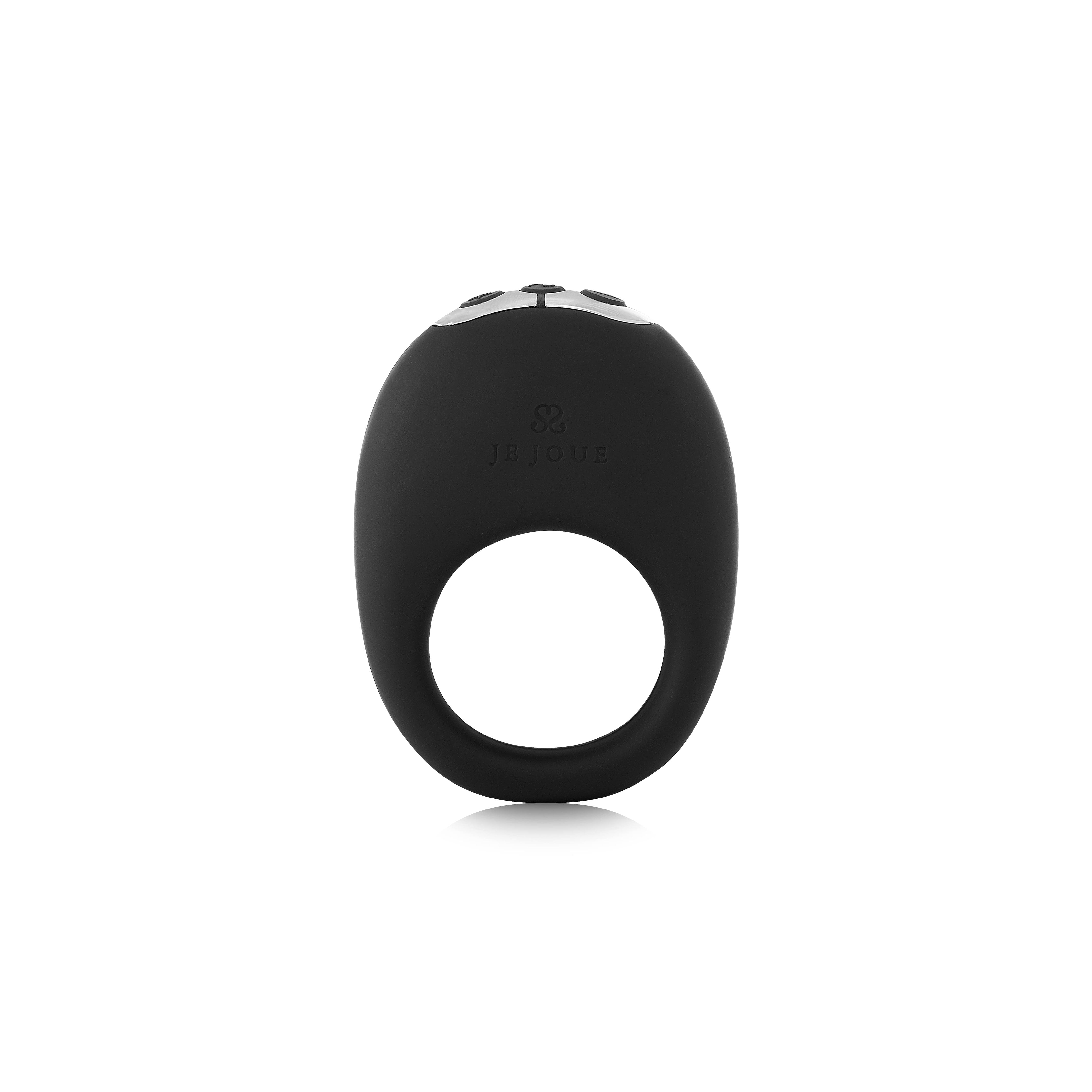
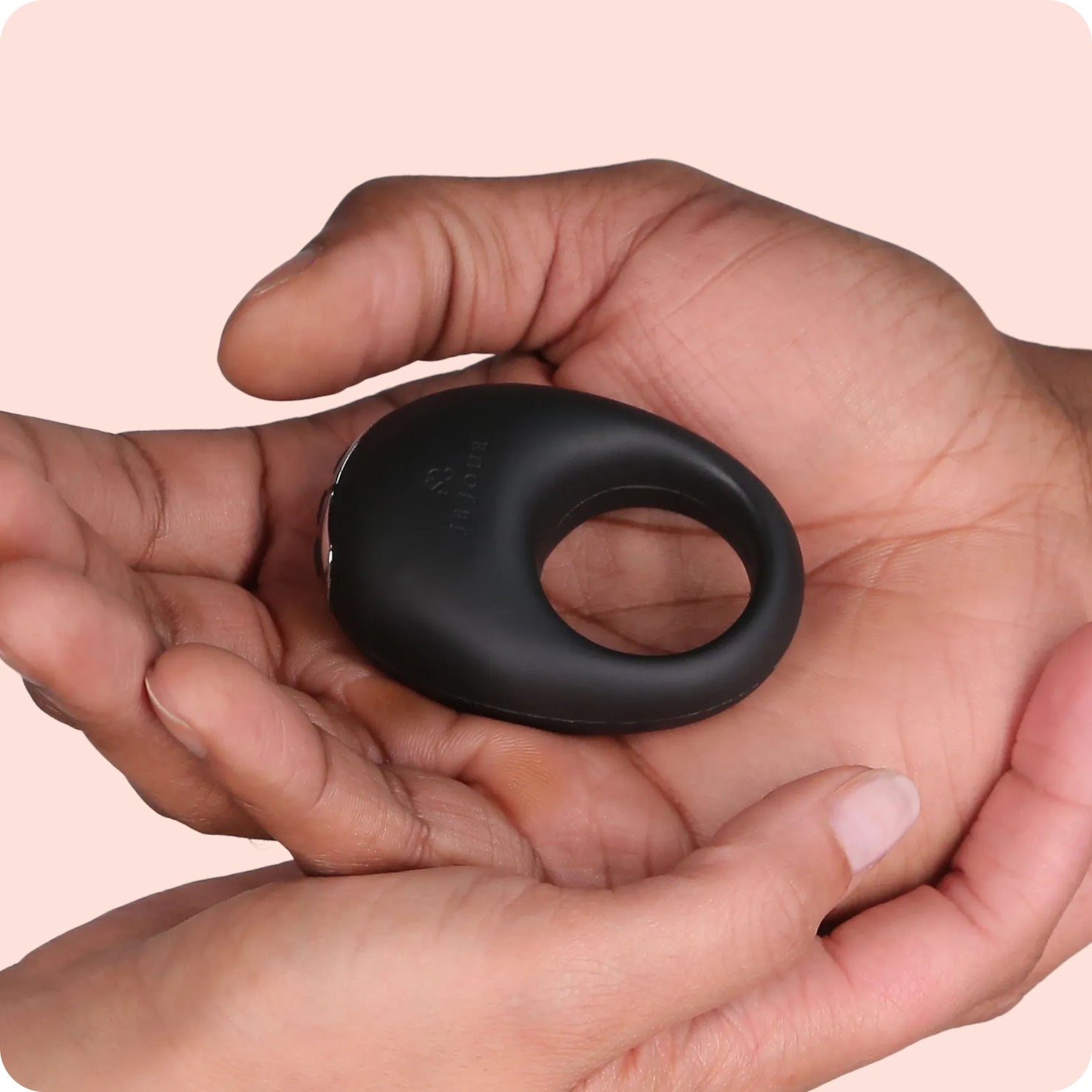
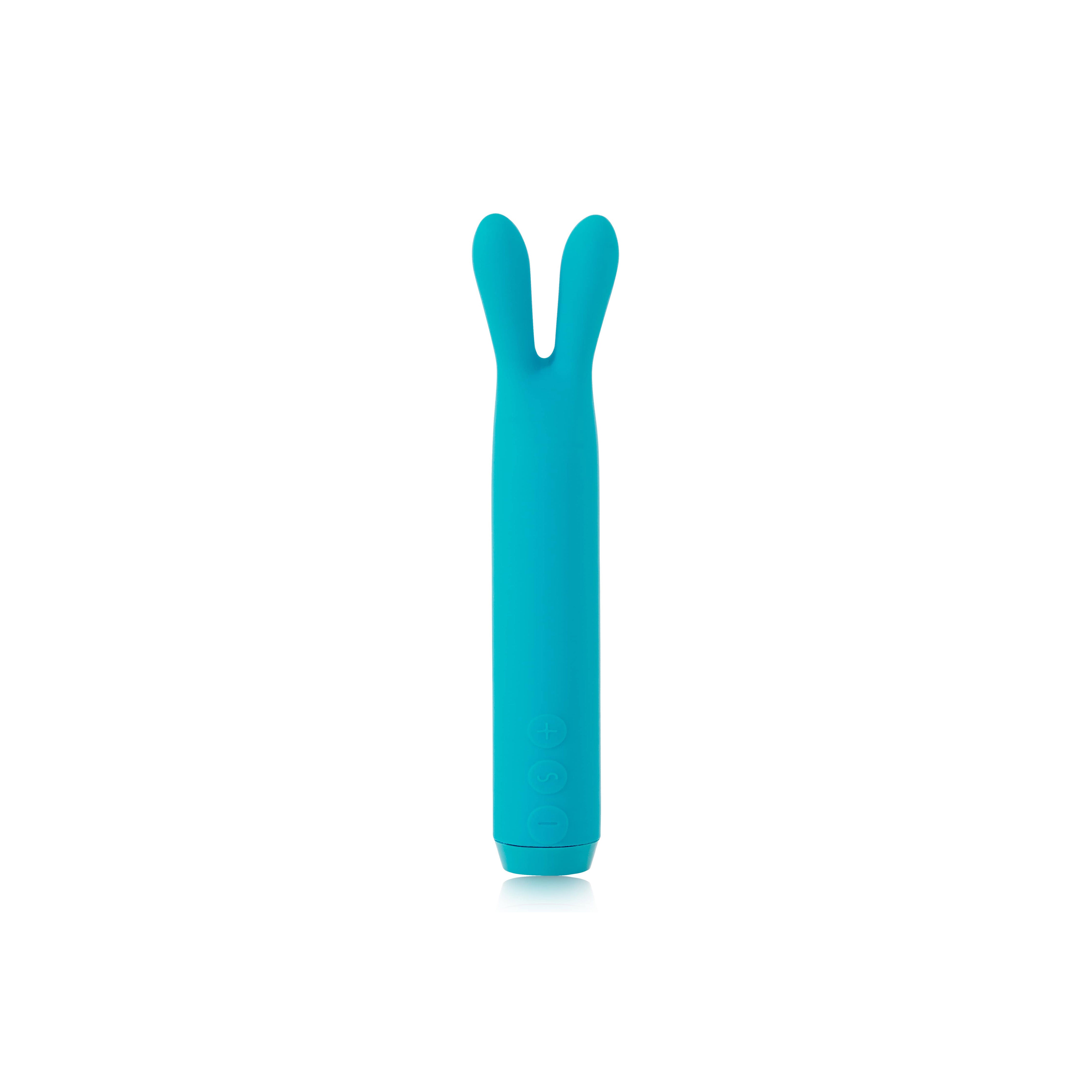


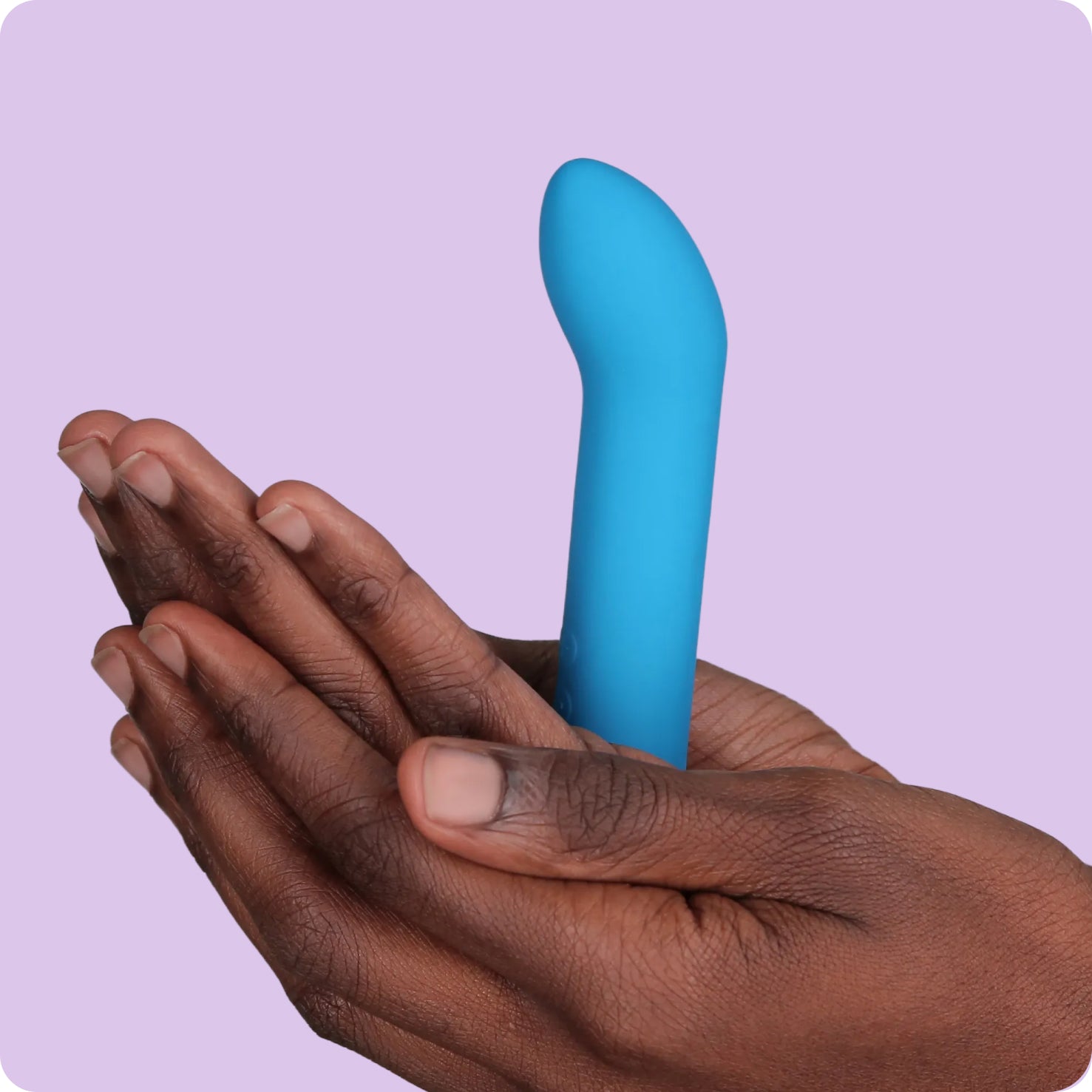
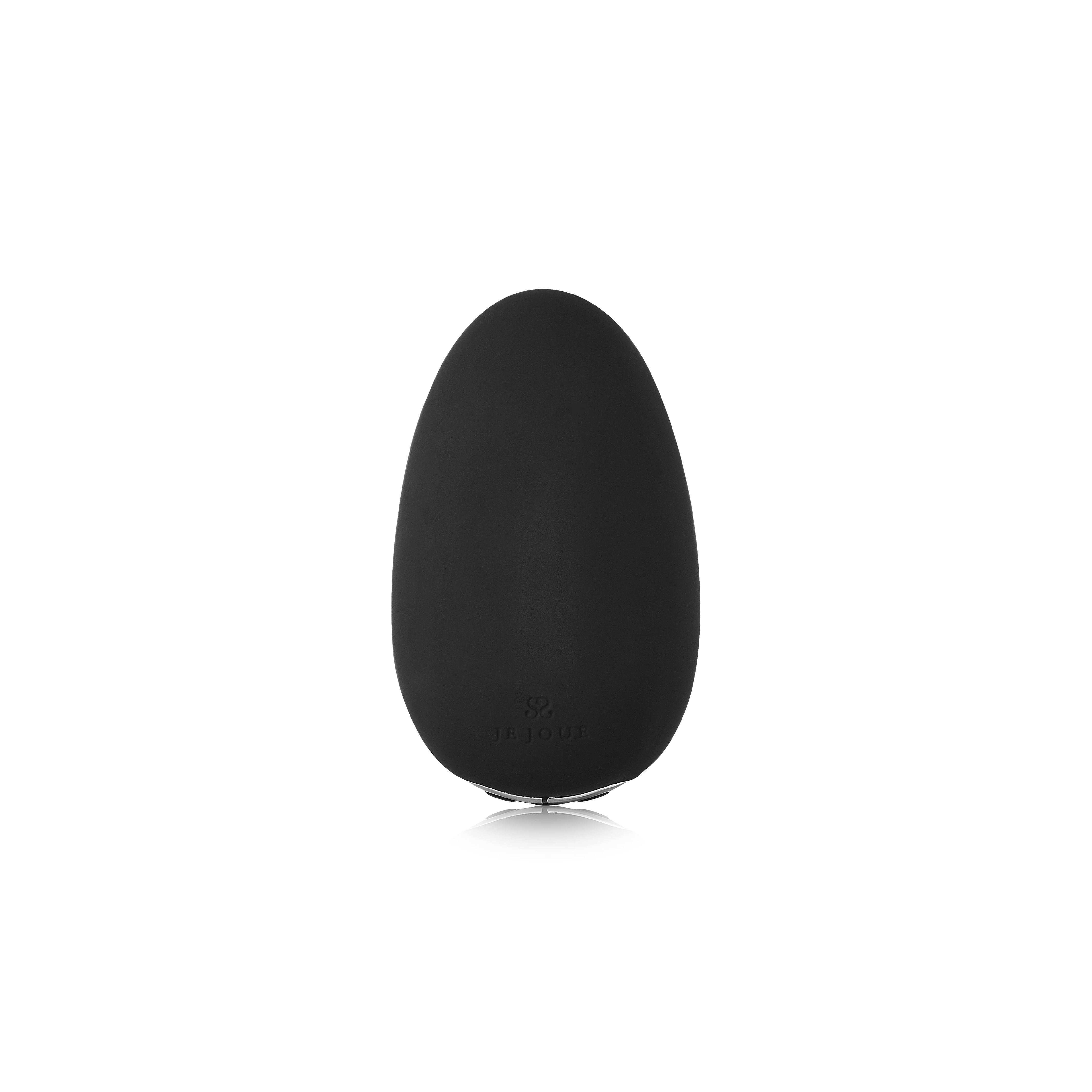
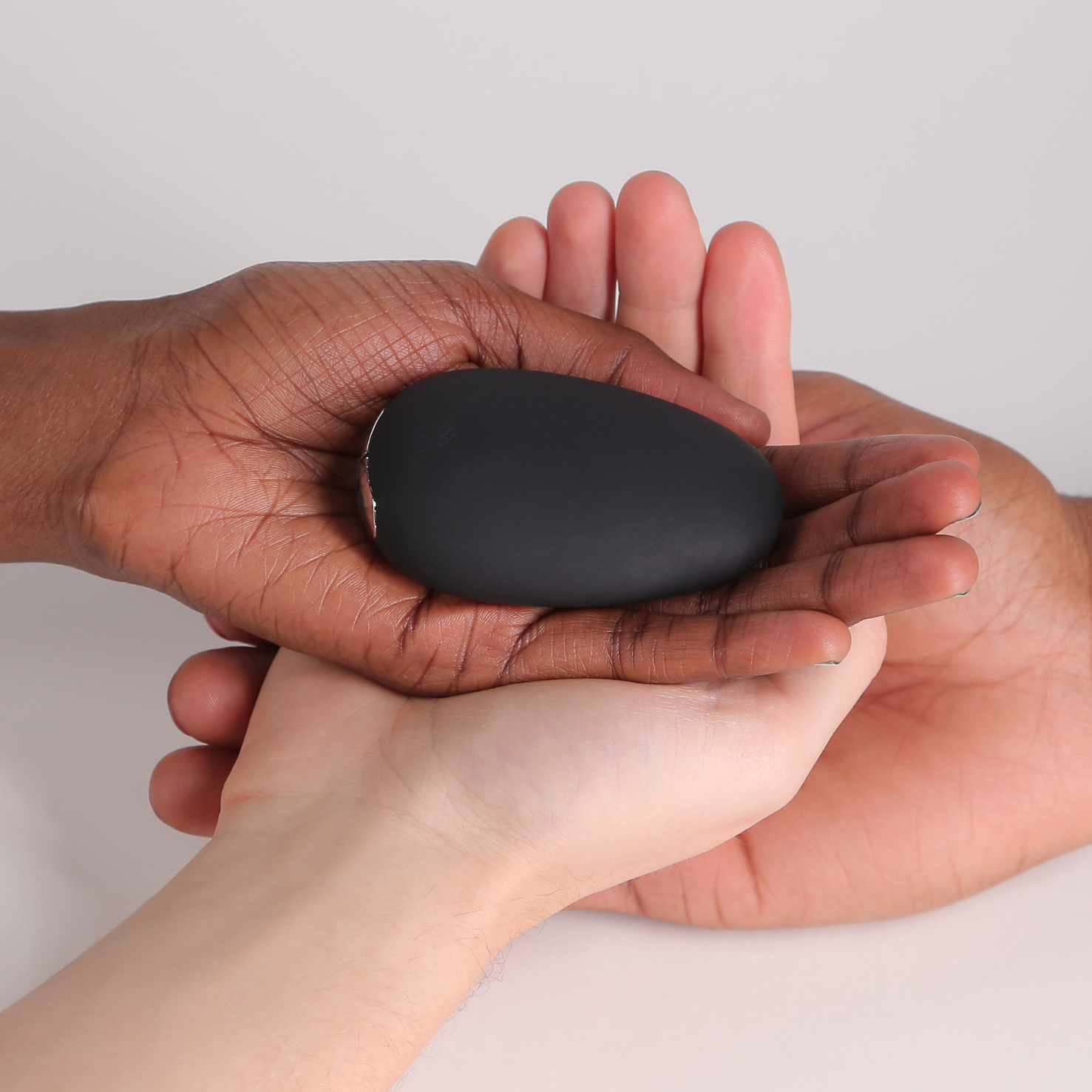
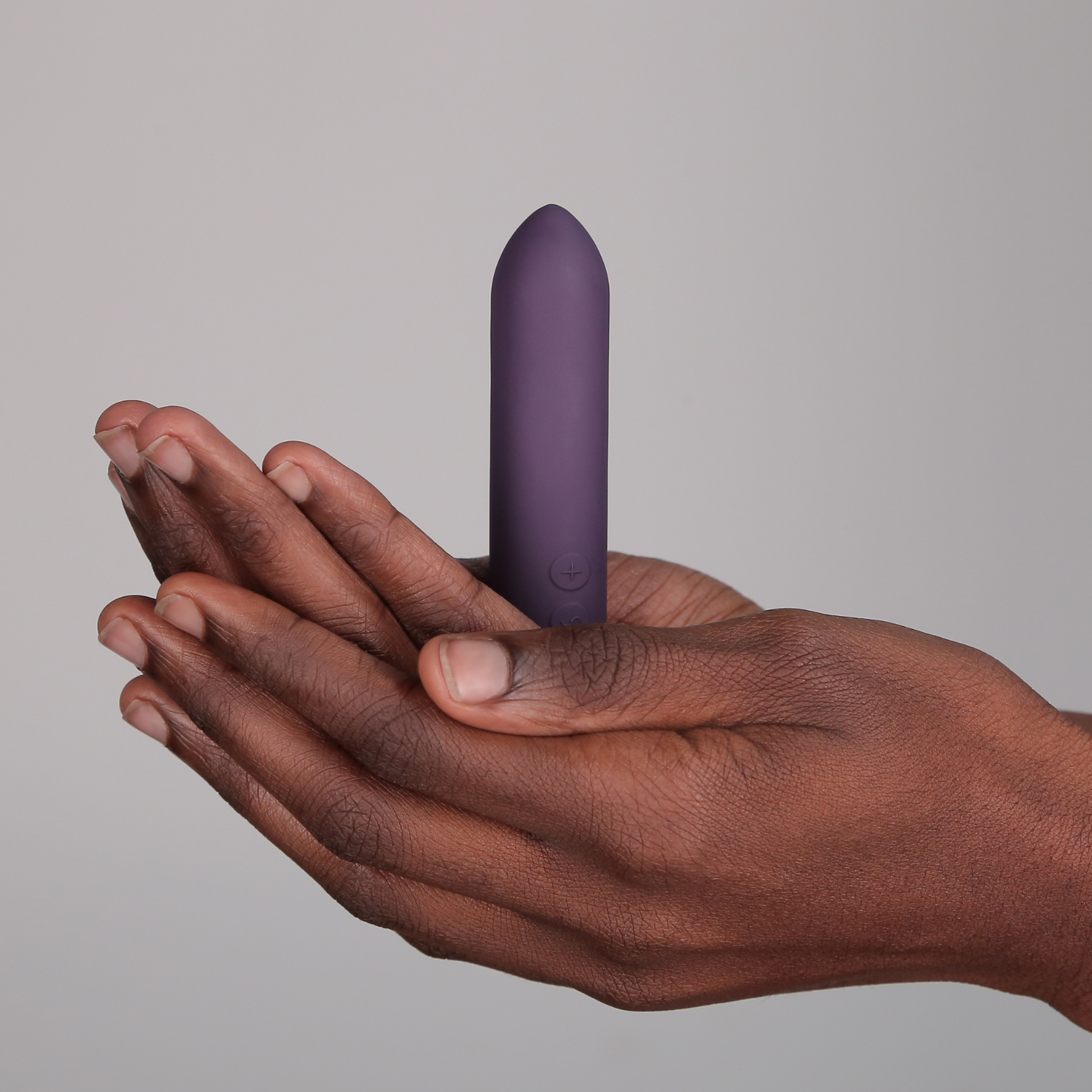
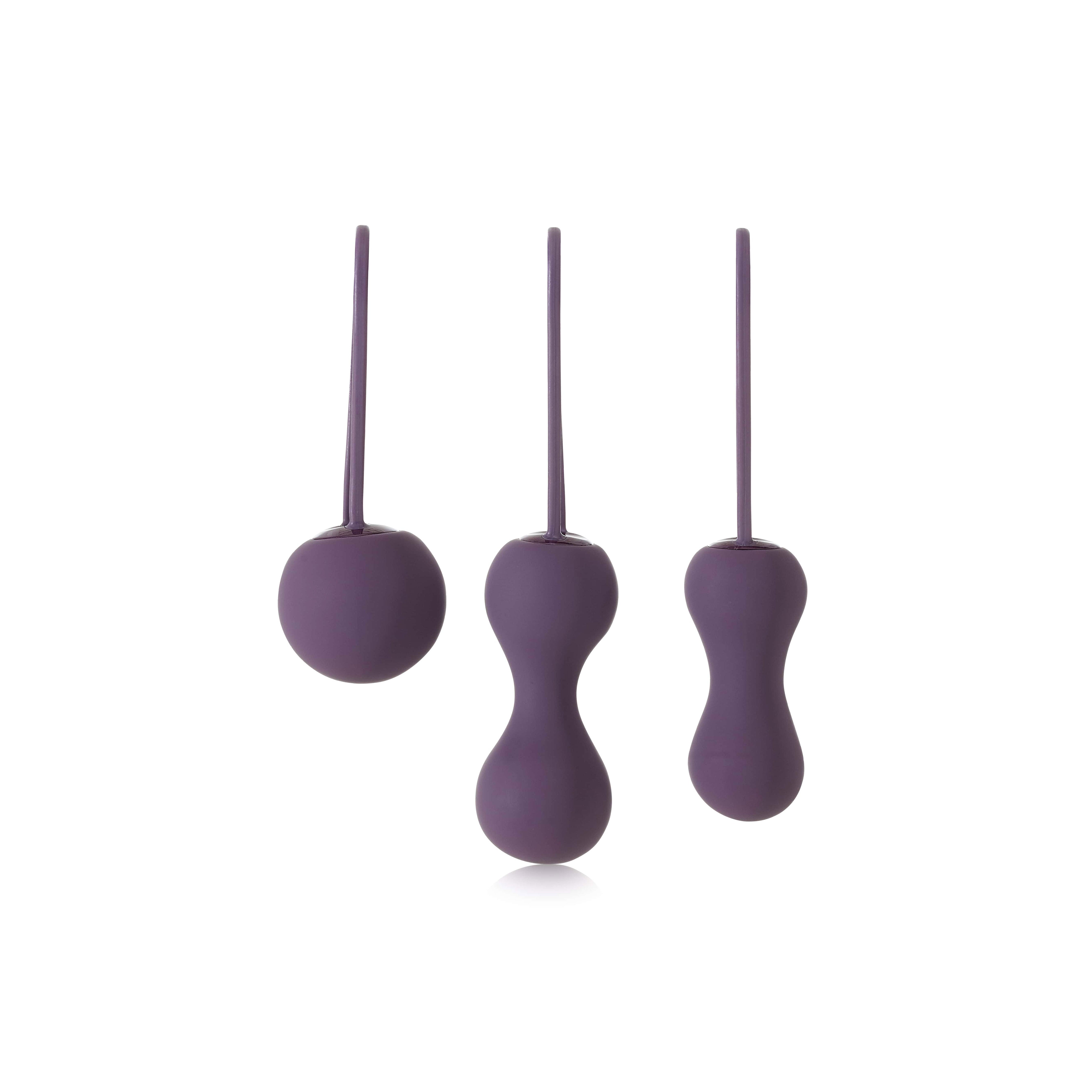
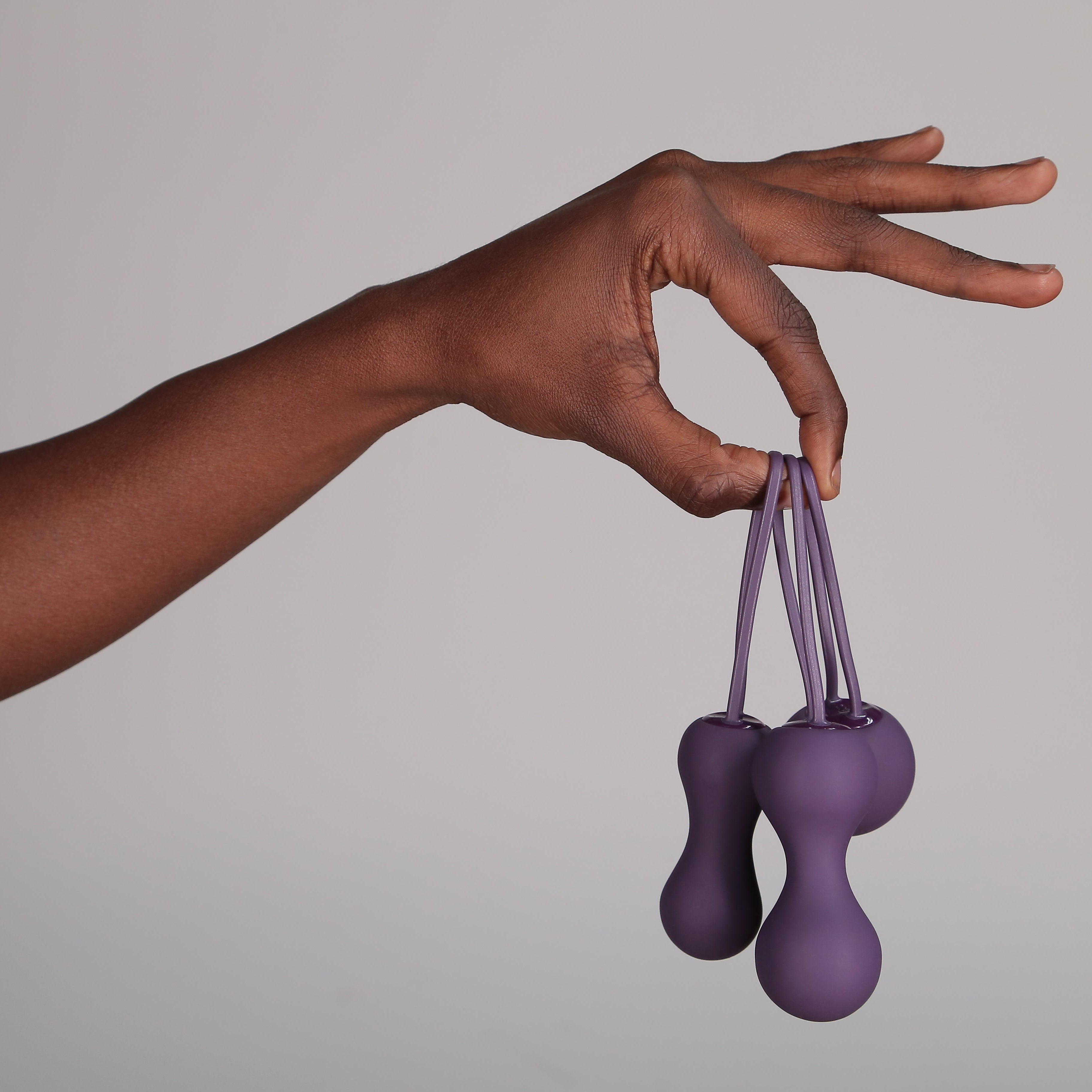
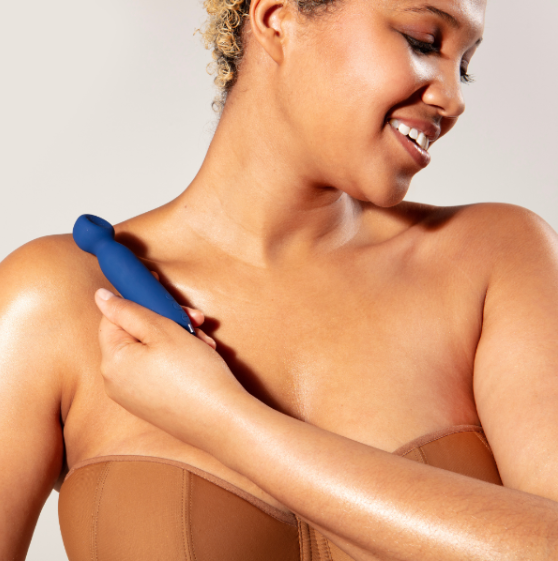
Deeper, Richer Sensations
Our signature deep and rumbly motor makes us a cut above the rest. We were the first company to move away from a buzzy high pitched motor and created our own unique low-frequency vibration. This penetrates deeper through the skin, accessing more of the body – thus giving more powerful orgasms.
Our Testimonials
Favourite vibrator I've had!
“Easily my favourite vibrator. Got it as a gift and I've been so thankful the last year and a half. The type of vibration (rumble and not classic buzz) feels great, and has led to some of my best orgasms!”
Calvin (G-Spot Bullet Vibrator)
Life changing
“This has changed my life. First time I used it I was like wtf just happened. In a good way 😉”
JH (Hera Flex Rabbit Vibrator)
Replacing a favorite!
“Always my favorite go to vibrator! Love the silky feeling and the powerful rumbly vibrations! This order was replacing one exactly like it that I have worn out.”
Celia B (Mimi Clitoral Vibrator)
Best ever
“I’m so sensitive to vibes and this one felt good from the very beginning. I love it.”
Kitty (Mimi Soft Clitoral Vibrator)
Amazing
“Bought for my wife, it's immediately gone to the top of her faves list.”
Kraig (Juno Flex G-Spot Vibrator)


Good Vibrations
Sex Education
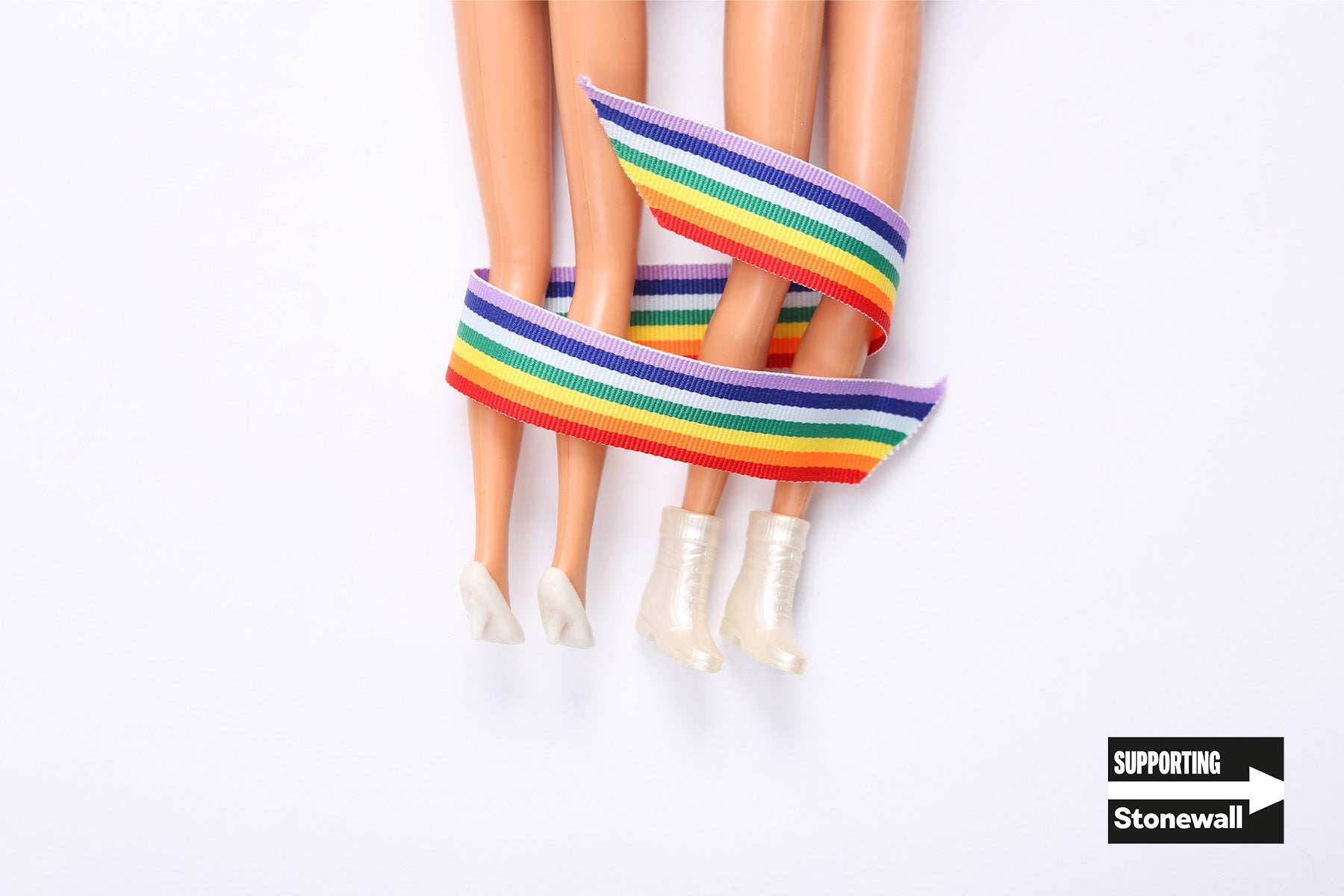
Tips And And Advice About Sex Toys For The LGBTQ Community
Sexual embodiment is important for everyone, but when there’s little room for conversation around inclusive sex it’s understandable that we can feel disconnected when it comes to sexual pleasure. ...
Read more
The 8 best lesbian Sex Positions for lavish lady loving
Lesbian sex places consent, communication and mutual pleasure at the centre of things. Unlike male-centric heteronormative ideas of sex, that tend to focus on penetration, lesbian sex focusses more...
Read more
The Crowdsourced Guide to Trans Sex: Partnered Edition by Max Slack @theyrequeer
So much more pleasure and intimacy can happen when we stop aligning ourselves with gendered expectations. No one person should be a top or bottom when it comes to sex simply because of how they ide...
Read more#JEJOUE
Follow Us